Texas Invests $56 Million in Rural Prevention and Wellness Programs
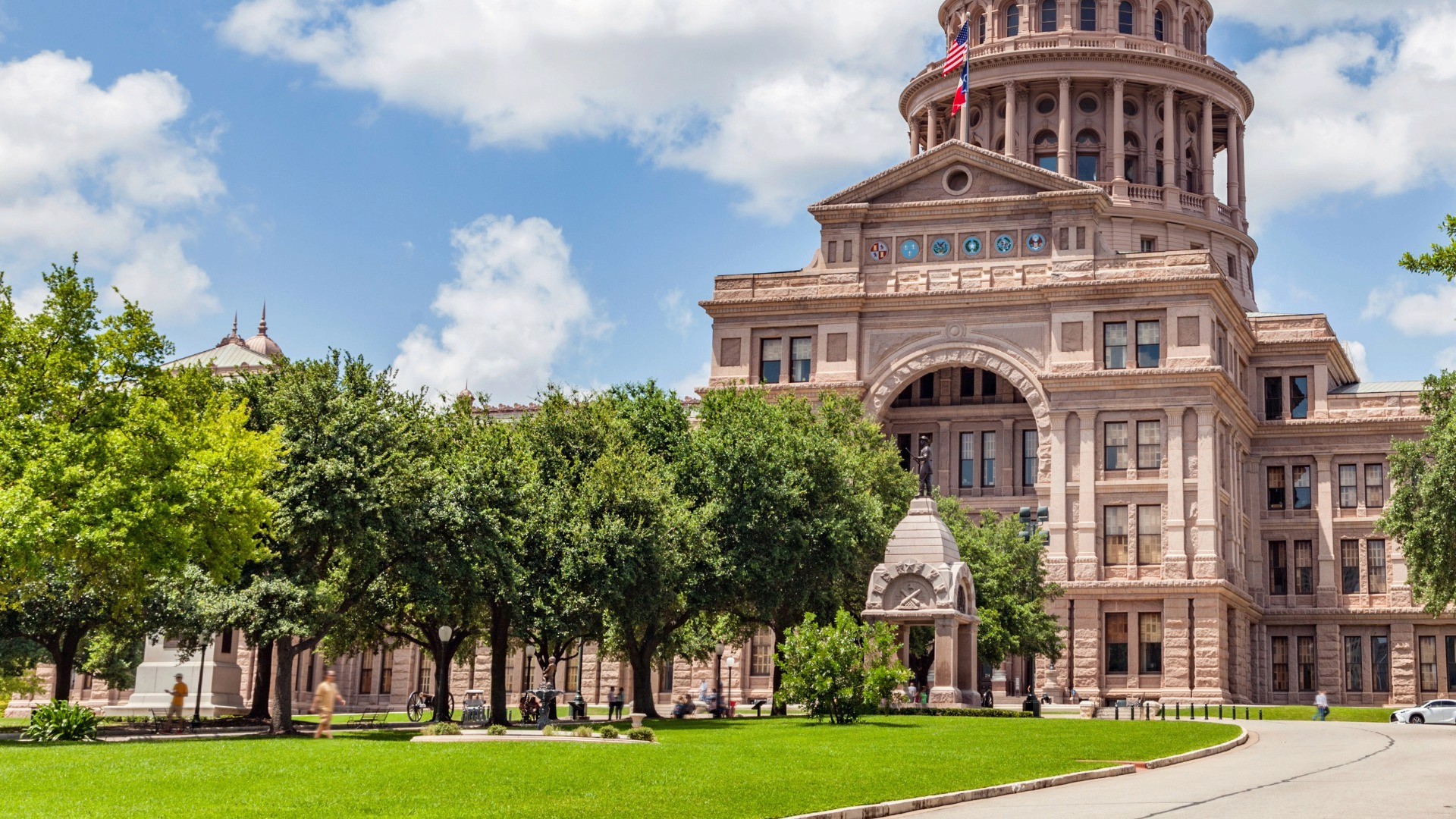
Rural health care in Texas is receiving a major boost following the announcement of $56 million in federal funding dedicated to prevention, wellness, and nutrition programs across rural communities.
Governor Greg Abbott and the Texas Health and Human Services Commission (HHSC) announced the investment on May 5 as part of the state’s broader Rural Texas Strong initiative. The funding is designed to help rural hospitals improve long-term health outcomes while expanding access to preventive care and nutrition support for underserved populations.
The announcement reflects a growing national focus on food as medicine for chronic disease prevention and community-based wellness strategies, particularly in regions where access to complete nutrition remains limited.
What the $56 Million Funding Will Support
The funding will allow eligible rural hospitals across Texas to strengthen programs aimed at preventing and managing chronic disease. According to HHSC, hospitals can use the funds to improve access to screenings, after-hours care, wellness services, and healthy food availability within their communities.
The initiative specifically targets conditions that continue to disproportionately impact rural populations, including diabetes, heart disease, obesity, and chronic respiratory disease.
Governor Abbott emphasized the importance of bringing care closer to underserved communities.
“Rural Texans deserve access to quality care,” Abbott said in the official release. “This $56 million investment will help expand care, combat chronic disease, and bring prevention and nutrition resources directly to the communities that need them the most.”
The initiative falls under the state’s “Make Rural Texans Healthy Again” campaign, which aims to improve rural health outcomes through prevention-first strategies rather than relying solely on reactive treatment models.
Why Rural Prevention Programs Matter
Rural communities often face significant barriers to health care access. Hospital closures, workforce shortages, transportation challenges, and limited specialty care have contributed to widening health disparities in many regions across the United States.
According to the Centers for Disease Control and Prevention, rural Americans are more likely to die prematurely from preventable chronic diseases compared to people living in urban areas.
Nutrition insecurity also remains a growing concern. Many rural areas qualify as food deserts, where residents have limited access to affordable, healthy food options. Investments in community nutrition programs and preventive wellness services can help address the root causes of chronic disease before conditions become more severe and expensive to manage.
Stephanie Muth, Executive Commissioner of HHSC, highlighted the connection between food access and overall health outcomes in the announcement.
“Good health starts with reliable access to care and nutritious food,” Muth said. “This investment helps rural communities strengthen prevention efforts and support long-term health.”
A Larger Federal Rural Health Investment
The $56 million represents only part of a much larger federal investment flowing into Texas rural health systems.
HHSC confirmed the state received a first-year award of more than $281 million through the Centers for Medicare & Medicaid Services Rural Health Transformation Program. Over the next five years, Texas estimates it could receive approximately $1.4 billion in total federal funding through the initiative.
The Rural Texas Strong framework includes six separate initiatives intended to strengthen infrastructure, improve care delivery, and expand access to preventive services in rural communities.
Importantly, the program is fully federally funded, reducing financial strain on local hospitals that may already be operating with limited resources.
What This Means for Rural Hospitals
For many rural hospitals, the funding could create opportunities to expand services that previously lacked sustainable financial support.
Prevention and wellness programs are often among the first services reduced when hospitals face budget pressures because reimbursement models historically favor acute care and procedures over preventive interventions. Federal investments like this may help rural systems build more proactive community health models that focus on keeping patients healthier over time.
Potential program expansions could include:
Mobile wellness clinics
Community nutrition education
Diabetes prevention initiatives
Expanded after-hours access
Chronic disease screenings
Partnerships with local food providers
Community health outreach programs
The funding may also help hospitals build stronger partnerships with organizations focused on food access, nutrition support, and chronic disease management.
The Growing Role of Nutrition in Preventive Care
One of the most notable aspects of the announcement is its focus on nutrition and healthy food access as part of the long-term strategy.
Health systems across North America are increasingly recognizing food and nutrition as foundational components of preventive care. Research continues to show strong connections between dietary patterns and chronic conditions such as hypertension, cardiovascular disease, obesity, and type 2 diabetes.
Programs that improve access to nutritious meals, food education, and dietitian support are becoming more common within community health initiatives. Rural investments like this signal a broader shift toward integrated wellness strategies that address both medical and social determinants of health.
For organizations operating in the nutrition and wellness space, the announcement also reinforces the importance of scalable, community-centered solutions that can support underserved populations beyond traditional clinical settings.
What This Means for the Future of Rural Health
The announcement reflects a broader transformation happening within health care policy and funding priorities.
As chronic disease rates continue to rise nationwide, prevention and wellness programs are increasingly viewed as essential investments rather than optional community services. Rural communities, which have historically faced gaps in care access and higher rates of preventable disease, are becoming a key focus for federal and state health initiatives.
For health organizations, nutrition companies, hospitals, and community partners, programs like Rural Texas Strong may create new opportunities for collaboration around preventive care, food access, and population health management.
This is exactly the kind of shift Nurish'd was built for. As health systems move toward prevention-first models, the gap between clinical care and everyday nutrition decisions is where outcomes are won or lost. Through registered dietitian access, personalized nutrition support, and community wellness resources, Nurish'd helps bridge that gap for patients in underserved and rural communities who need it most.
FAQ
What is the Rural Texas Strong initiative?
Rural Texas Strong is a CMS-approved state initiative designed to improve rural health care access and outcomes through federally funded programs focused on prevention, infrastructure, and community health.
How much funding was announced?
Texas announced $56 million in federal funding for rural hospitals focused on prevention, nutrition, and wellness programs.
What conditions are being targeted?
The initiative aims to reduce rates of diabetes, obesity, heart disease, and chronic respiratory disease in rural communities.
Who can apply for the funding?
Eligible public and private rural hospitals in Texas may apply through a competitive application process managed by HHSC.
Why is nutrition included in the initiative?
Nutrition plays a major role in preventing and managing chronic disease. The funding supports healthier food access and wellness programs that improve long-term health outcomes.