Tufts University Food is Medicine Summit 2025 Series
Part 5: Integrating Food is Medicine and GLP-1 Therapies
At the 2025 Tufts University Food is Medicine Summit, experts explored one of the most timely topics in modern healthcare: how to combine GLP-1 medications with nutrition and lifestyle interventions to improve outcomes and sustainability.
GLP-1s: a class of drugs that includes semaglutide and tirzepatide, support weight loss by slowing digestion, altering the gut microbiome, affecting brain reward pathways, and changing taste perception. But as panelists made clear, medications alone are not the full solution.
Many patients regain weight when treatment stops, underscoring the need for comprehensive, behavioral and nutritional support alongside pharmacologic care.
“Using GLP-1s alone is like mopping up a flood without turning off the faucets,” noted Dr. Ala Gupta, highlighting the importance of nutrition education and lifestyle integration
Food as Medicine: The Missing Piece
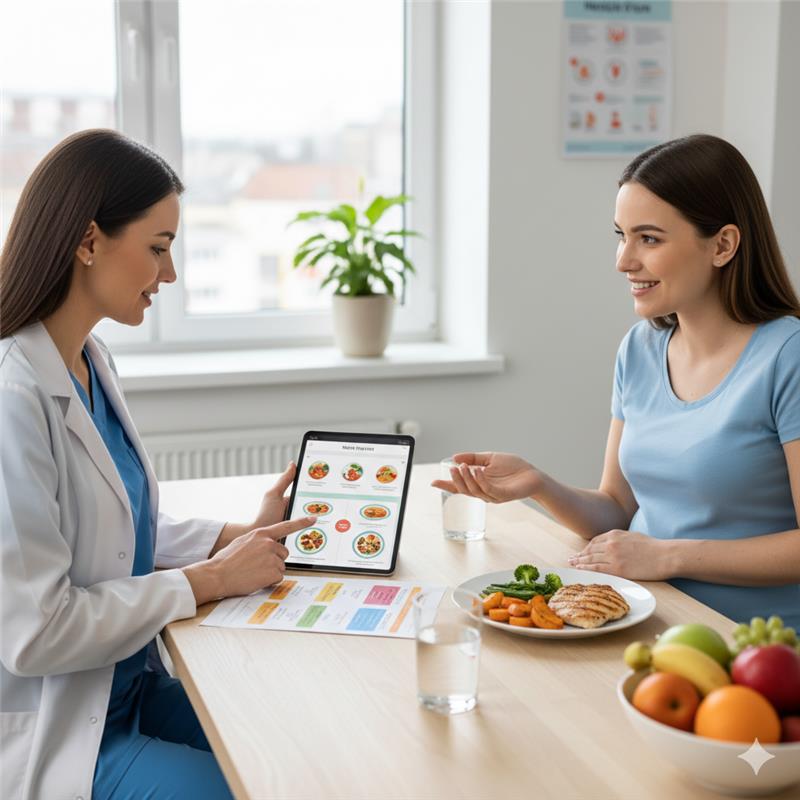
Food as Medicine programs, including medically tailored meals (MTMs), nutrition education, and lifestyle coaching, can reinforce and extend the benefits of GLP-1 therapy.
These interventions help patients:
Stabilize chronic conditions such as diabetes, hypertension, and obesity
Reduce hospitalizations and healthcare utilization
Improve adherence and overall quality of life
The evidence base continues to grow. Studies show that pairing pharmacotherapy with nutrition support leads to greater weight loss maintenance, improved metabolic outcomes, and better long-term engagement.
Addressing the Cost and Equity Challenge
While GLP-1s offer significant promise, cost remains a barrier, with therapy often exceeding $600 per month. For many patients, coverage is limited or inconsistent.
By integrating Food as Medicine into care pathways, health systems and payers can improve access and affordability. Nutrition-based programs can help sustain benefits, reduce the need for high-cost interventions, and deliver equitable, patient-centered care.
“The goal isn’t just adding years to life. It’s adding life to years,” one panelist noted, emphasizing the human impact of aligning pharmacology with nutrition.
How Nurish’d Supports Integrated Care Models
At Nurish’d, we’re helping healthcare organizations bridge the gap between medication management and nutrition-based support.
Our platform enables:
Integration with clinical workflows and EHRs, allowing providers to prescribe medically tailored meals alongside pharmacotherapy
Collaboration with payers to align nutrition interventions with benefit design and coverage for chronic disease management
Patient engagement tools that track adherence, satisfaction, and outcomes
Data analytics that link Food is Medicine programs to measurable health and cost improvements
For patients using GLP-1s, this means access to ongoing nutritional support that sustains progress. For providers and payers, it means a scalable model that connects medical, behavioral, and nutritional care, the foundation of whole-person health.
Looking Ahead
As obesity management evolves, the most effective care models will blend clinical precision with lifestyle and nutrition support. The integration of GLP-1 therapies and Food as Medicine represents a shift from symptom management to sustainable health.
Nurish’d is helping lead that shift, empowering providers, insurers, and communities to deliver personalized, scalable nutrition programs that complement medical treatment.
Because when nutrition becomes a core part of care, outcomes improve, costs decline, and patients gain more than better numbers, they gain better lives.