Tufts University Food is Medicine Summit 2025 Series
Part 4: Partnerships for Health and Community
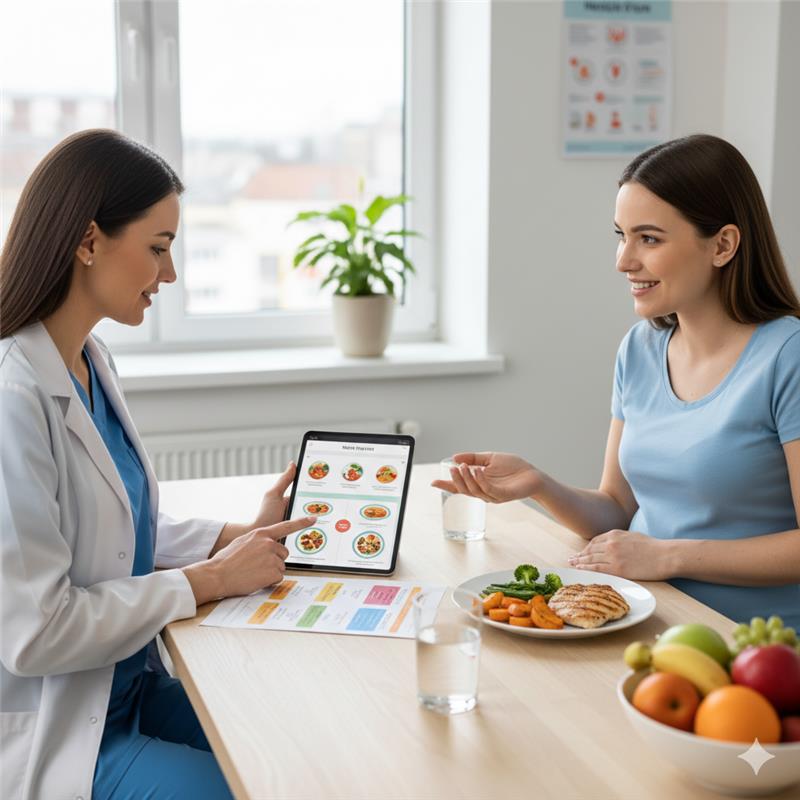
At the 2025 Tufts University Food is Medicine Summit, one theme resonated across every panel: collaboration is the foundation of sustainable Food is Medicine success.
State and community leaders are finding that nutrition programs do more than improve health outcomes, they also support local farmers, strengthen regional food systems, and keep healthcare dollars circulating in the community.
By integrating these efforts into Medicaid and primary care, states are building a preventive, cost-effective model for managing chronic disease, one that starts not with treatment, but with nourishment.
“Local is powerful. Trust moves at the speed of relationships,” said Dr. Kyu Rhee, CEO of the National Association of Community Health Centers (NACHC).
Building Bridges Across Sectors
Cross-sector partnerships between healthcare, community organizations, payers, and food producers are essential to expanding Food is Medicine. When mission and margin align, these programs become both impactful and sustainable.
Panelists emphasized that standardization, program design, billing codes, and data tracking is crucial for scalability. It ensures that Food is Medicine interventions can move from pilot projects to mainstream, reimbursable care.
The evidence is increasingly clear: studies show that medically tailored meals (MTMs) can reduce hospitalization and healthcare costs, while improving patient satisfaction and adherence. Investing in nutrition not only enhances quality of life, it produces measurable clinical and financial returns.
“Quality and scale must go hand in hand,” noted Katie Garfield of Harvard Law School’s Center for Health Law and Policy Innovation.
From Community to Clinical Integration
Speakers at the summit agreed that success depends on community-based delivery. Local health centers, clinicians, and food systems bring the trust and cultural connection needed to make Food is Medicine accessible and relevant.
By embedding nutrition interventions directly into local care ecosystems, states and health systems can prevent disease before it starts, empowering communities while strengthening local economies.
This model of place-based healthcare innovation demonstrates that Food is Medicine is not just a medical intervention, but a community resilience strategy.
How Nurish’d Helps Scale Local Impact
At Nurish’d, we believe that partnership is the cornerstone of sustainable Food is Medicine delivery. Our platform connects the dots between healthcare payers, community providers, and food producers, helping them deliver nutrition-based care efficiently and equitably.
We make it possible to:
Coordinate care between clinicians, community organizations, and meal vendors
Track outcomes through shared data and analytics tools
Enable reimbursement by aligning programs with healthcare billing and documentation standards
Support local delivery networks to ensure food access and continuity of care
Nurish’d’s infrastructure transforms community-level programs into scalable healthcare solutions, while preserving the local relationships that make them effective.
By empowering health systems and partners to collaborate seamlessly, Nurish’d ensures that Food is Medicine remains rooted in evidence, and grounded in community.
Looking Ahead
The future of Food is Medicine lies at the intersection of collaboration, trust, and innovation.
As payers, policymakers, and community organizations work together, programs that once operated as pilots are becoming integral to healthcare delivery. With the right partnerships and technology in place, nutrition can serve as both a preventive tool and a catalyst for equity and resilience.
Nurish’d is proud to help lead that transformation, bridging healthcare systems, local food producers, and community partners to make food a true instrument of health and healing.
Because when food moves to the center of care, communities, and the people within them thrive.